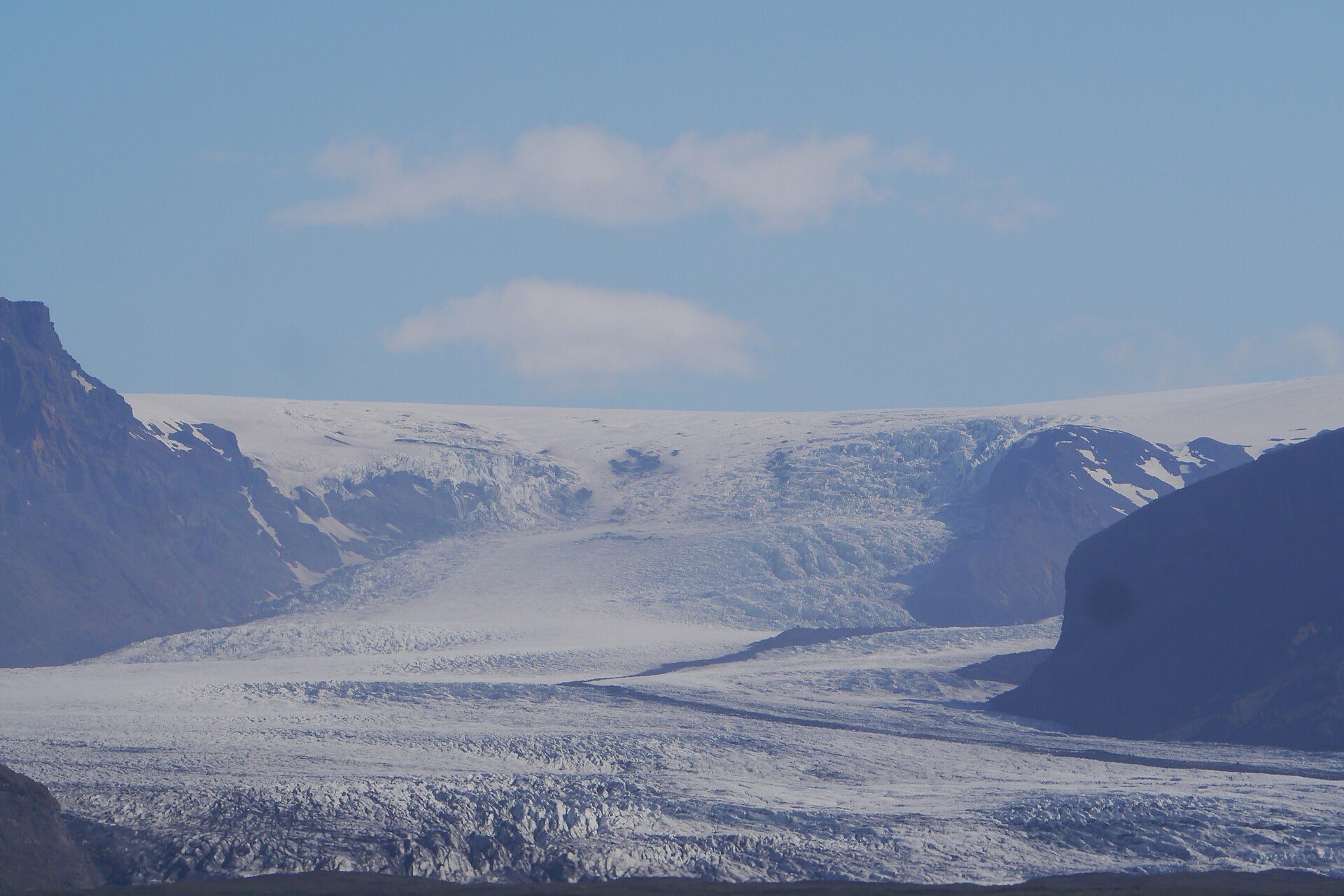

In the imagination, Iceland has always stood for solitude. Nothing here grows tall enough to interrupt the view; the ground meets the sky in its rawest, least edited form. Drive south from Reykjavík on the Ring Road and the black lava fields and thin tundra fall away behind you, replaced by the outlet tongues of Vatnajökull — a scale that stops the conversation in the car.
One · Into the heart of the ice
We strapped on twelve-point crampons, tightened the harnesses, and followed the guide across squeaking hard snow to the edge of the glacier. The Crystal Cave sits deep inside the tongue of ice; the entrance takes one person at a time, bent double.
Through the narrow section it opens out. Centuries of pressure have squeezed every bubble out of this ice, and what is left reads less like water than like a gemstone — a cobalt with real depth in it. Sunlight arrives through tens of metres of glacier from above. It is like looking up at a cathedral dome from the sea floor, one that is still moving, just slowly enough to appear held.
“A glacier is not a statue. It is an enormous animal with a pulse and a breath, and every drop of meltwater is one century whispering to the next.”
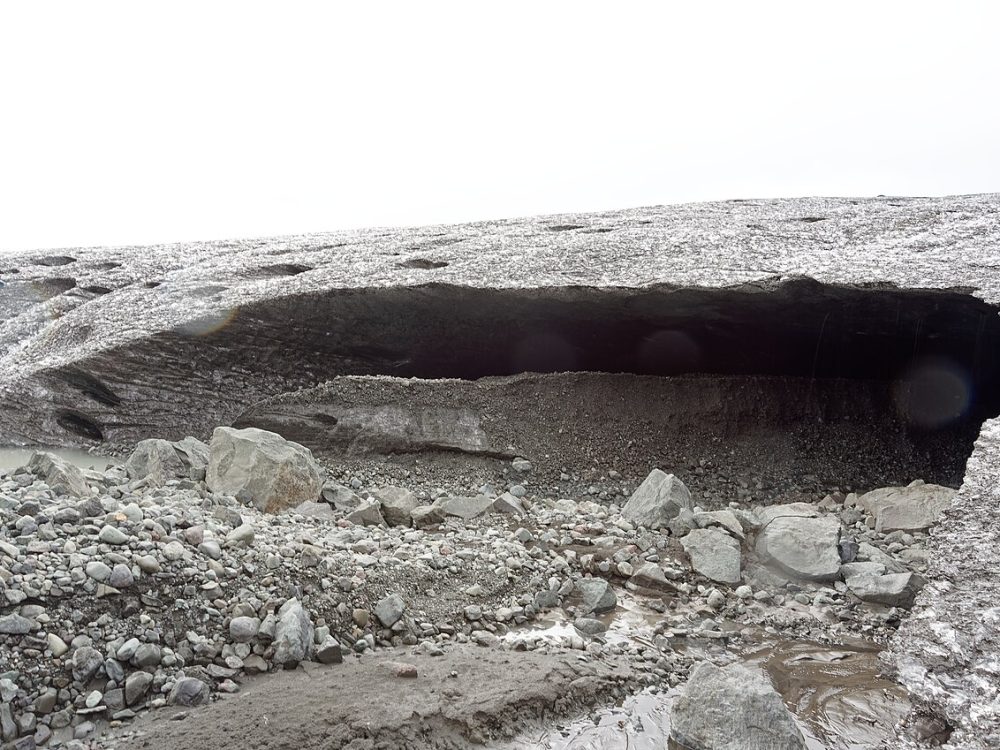
- The ice caves are only open from November to March. Go with a certified guide, and wear a helmet and crampons — that part is not negotiable.
- Bring an ultra-wide (14–24mm). The dynamic range inside the cave is brutal: shoot RAW and bracket.
Two · Black sand, white ice
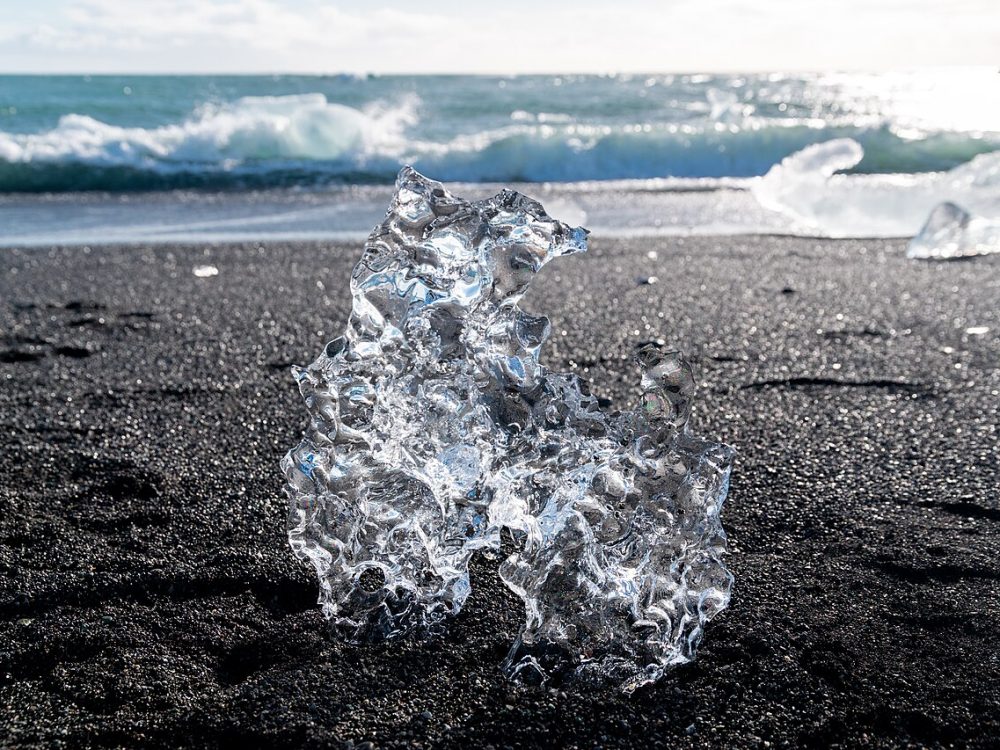
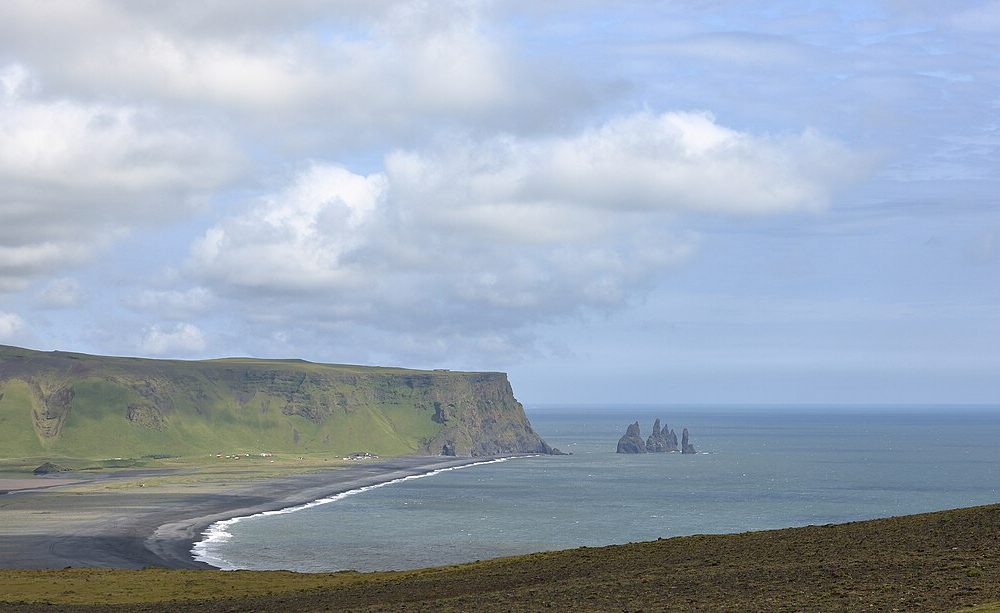
Across the road from the Jökulsárlón lagoon is the beach everyone calls Diamond Beach. Blocks calved off the glacier drift out into the Atlantic on the current, and the surf pushes them back onto sand that is volcanic and absolutely black.
At dusk the low sun warms the edge of every block to a pink-gold, and against fine black basalt underfoot the contrast is almost more than a sensor can hold.
Three · Aurora, without a word between us
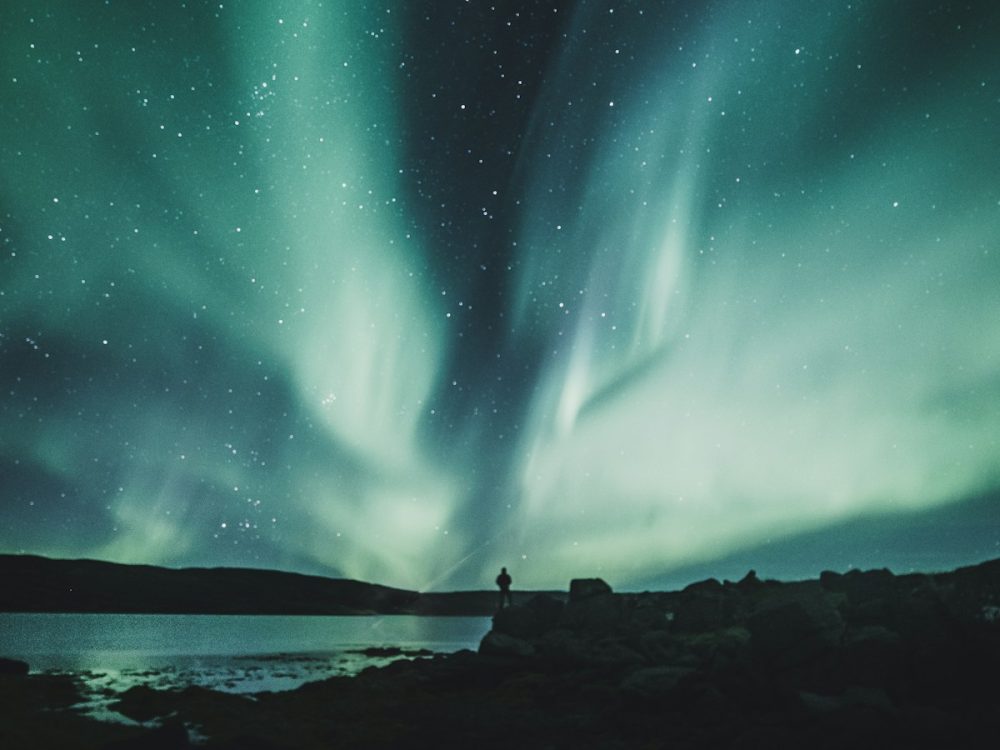
After dark the temperature dropped to −8°C and the sky went completely clear. At 11:40pm the Kp index hit 5.8. A faint green arc appeared on the northern horizon, then rolled across the whole sky in waves, and a violet curtain opened directly above us into a full corona.
With no city light anywhere in reach, the lagoon held the entire moving green band in reflection. Apart from the dull knock of ice against ice there was the wind, and there was your own pulse, and nothing else.
Drag the slider: the same place, two kinds of light
Midnight — emerald under the aurora
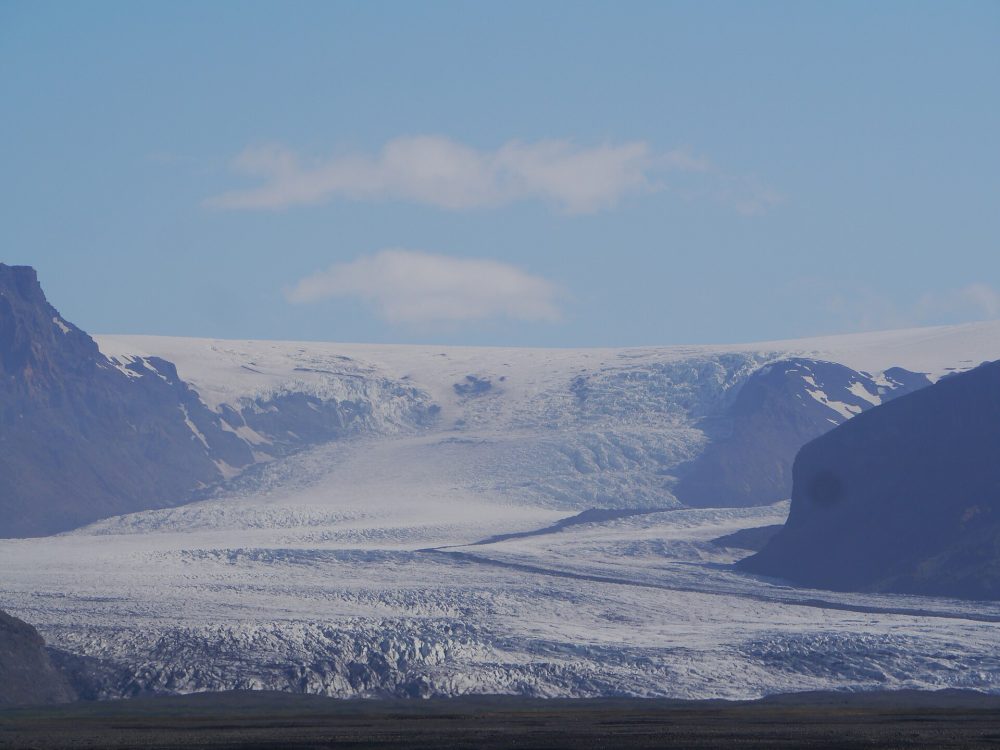 Afternoon — pale blue under daylight
The route, day by day
Reykjavík to Vík
Collect the 4x4, walk the path behind the curtain at Seljalandsfoss, catch the double rainbow at Skógafoss, and reach Vík by evening.
The Vatnajökull ice cap and the Crystal Cave
Transfer to a modified super-jeep for the run onto the ice cap: a full day of glacier walking and photography inside the natural cave.
Diamond Beach, and a night watch at Jökulsárlón
Long exposures on Diamond Beach at sunset, then tripods up on the lagoon shore to wait out the aurora.
Luxury benchmark
From the take (4)
Sophie Van Der Berg
August 13, 2026 1:19 pm
Wonderful editorial layout! The EXIF data cards and the before/after comparisons make this feel like a true National Geographic magazine on WordPress.
Gu Qingchuan (travel photographer)
August 14, 2026 1:19 pm
The light in the ice-cave set is extraordinary — especially the warm-to-cool separation at 14mm and f/2.8. Is the Crystal Cave better first thing in the morning, or around midday?